

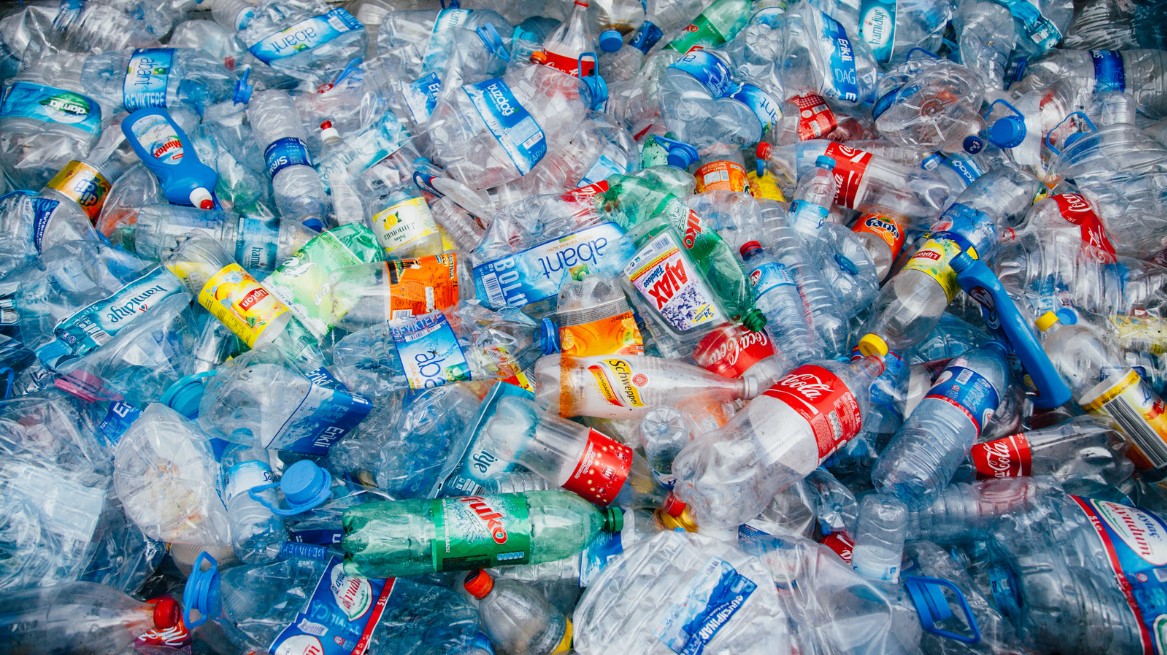
Plastic pollution has become one of the most pressing environmental challenges of our time. Among plastics, polyethylene terephthalate, or PET, stands out as a widely used material in packaging, particularly for bottles and containers. According to global statistics, over 500 billion PET bottles are produced annually, with only a fraction effectively recycled. This highlights the urgent need for efficient and responsible PET Recycling solutions that not only reduce waste but also support circular economy practices.
Why Is PET Recycling Essential for the Environment?
PET is highly durable and lightweight, making it ideal for packaging, but these same properties contribute to its persistence in landfills and oceans. Studies show that improperly disposed PET bottles can take up to 450 years to decompose, causing long-term environmental harm. Recycling PET reduces reliance on virgin petroleum-based resources, lowers greenhouse gas emissions, and conserves energy. For instance, recycling one ton of PET can save approximately 1.5 tons of CO2 emissions and nearly 17,000 kilowatt-hours of energy.
Furthermore, PET recycling contributes to reducing ocean pollution. Research indicates that plastics make up nearly 80% of marine debris, and PET bottles are among the most common items found in oceans and waterways. By promoting responsible recycling practices, industries and consumers alike can significantly reduce their environmental footprint.
What Are the Common PET Recycling Methods?
PET recycling can be broadly categorized into mechanical recycling and chemical recycling. Each method has distinct advantages and applications.
- Mechanical Recycling: This method involves collecting, sorting, cleaning, and reprocessing PET into flakes or pellets. These flakes can then be used to manufacture new bottles, fibers for textiles, or packaging materials. Statistics show that mechanical recycling accounts for nearly 60% of PET recycling worldwide, making it the most widely used method due to its simplicity and cost-effectiveness.
- Chemical Recycling: Also known as advanced or feedstock recycling, this process breaks PET down into its monomers, which can then be re-polymerized to create virgin-quality PET. Although more energy-intensive than mechanical recycling, chemical recycling allows the production of high-purity PET suitable for food-grade packaging. Emerging data suggests that chemical recycling could handle PET that is contaminated or unsuitable for mechanical recycling, expanding overall recycling rates.
How Can Businesses Improve PET Recycling Efficiency?
Efficiency in PET recycling depends on multiple factors, including collection infrastructure, consumer participation, and technological innovation. Data from industrial studies indicates that countries with robust curbside collection programs achieve recycling rates above 50%, whereas regions without organized systems often recycle less than 10% of PET waste.
Automation and AI-driven sorting technologies have been shown to improve recovery rates significantly. Optical sorting systems can separate PET from other plastics with over 95% accuracy, reducing contamination and improving the quality of recycled material. This ensures that recycled PET meets industry standards for reuse in packaging and textile applications.
Additionally, companies can adopt Extended Producer Responsibility (EPR) policies, which make manufacturers accountable for the entire lifecycle of their products. Evidence suggests that EPR programs increase recycling rates by incentivizing producers to design packaging that is easier to recycle and to invest in collection and processing infrastructure.
What Role Do Consumers Play in PET Recycling?
Consumer behavior is crucial for effective PET recycling. Surveys show that over 40% of PET waste in households is not correctly sorted, often due to lack of awareness or inconvenience. Public education campaigns emphasizing the environmental benefits of recycling, along with clearly labeled collection bins, can dramatically improve participation rates.
Moreover, encouraging the use of refillable PET bottles or reusable containers reduces the total volume of PET entering the waste stream. Data indicates that households using refillable PET solutions reduce their plastic waste by up to 30% annually, contributing directly to sustainability goals.
How Can Technology Enhance PET Recycling?
Technological innovation is transforming the PET recycling landscape. Advanced chemical recycling, enzymatic depolymerization, and AI-assisted sorting are increasingly making recycling more efficient and scalable. For example, enzymatic recycling uses naturally occurring enzymes to break down PET into reusable monomers under mild conditions, reducing energy consumption compared to conventional methods. Pilot studies show that enzymatic recycling can achieve a 90% conversion rate with minimal environmental impact.
Blockchain technology is also being explored to track PET bottles from production to recycling, ensuring transparency and accountability in the recycling chain. Such digital solutions can help governments, manufacturers, and consumers monitor recycling outcomes and incentivize responsible practices.
Can Recycled PET Support a Circular Economy?
Recycled PET (rPET) is central to a circular economy model, where materials are reused instead of discarded. Industry statistics indicate that rPET is increasingly used in applications such as clothing fibers, packaging materials, and even construction products. For example, approximately 25% of global PET fiber production now comes from recycled sources, demonstrating that responsible recycling can create new economic opportunities while reducing environmental impact.
Companies investing in rPET-based products report reduced production costs and lower carbon footprints. Furthermore, recycled PET supports brand sustainability initiatives, which are becoming increasingly important to consumers. Surveys suggest that over 60% of consumers prefer products with environmentally responsible packaging, highlighting the commercial value of PET recycling.
What Are the Challenges in PET Recycling?
Despite its benefits, PET recycling faces several challenges. Contamination with other plastics, labels, and residues can reduce the quality of recycled material. Data indicates that contaminated PET streams can lower recycling efficiency by up to 20%, underscoring the need for effective sorting and cleaning processes.
Market fluctuations in PET resin prices also impact the economic viability of recycling programs. When virgin PET prices drop, recycled PET may become less competitive, potentially discouraging investment in recycling infrastructure. To address this, governments and organizations are implementing subsidies, minimum recycled content mandates, and incentives to stabilize the market and promote continued investment.
What Policies Support PET Recycling Globally?
Regulatory frameworks play a critical role in advancing PET recycling. Extended Producer Responsibility (EPR) laws, deposit-return schemes, and recycling targets have proven effective in increasing collection rates. For instance, countries with mandatory deposit systems achieve recycling rates above 90% for PET bottles, compared to an average of 35% in regions without such policies.
Furthermore, international collaboration and knowledge sharing are helping standardize recycling processes, improve material quality, and reduce environmental impact. Global initiatives are now focusing on integrating recycled content into packaging, promoting innovative technologies, and educating consumers about the importance of proper disposal and recycling.
How Can PET Recycling Drive Sustainable Development?
PET recycling contributes directly to several Sustainable Development Goals (SDGs), including responsible consumption and production, climate action, and life below water. By reducing plastic waste, conserving resources, and lowering greenhouse gas emissions, recycling aligns with global sustainability targets. Research estimates that increasing PET recycling by 50% could reduce CO2 emissions from the packaging sector by more than 2 million tons annually.
Moreover, PET recycling can create green jobs in collection, sorting, processing, and research. Data suggests that every 10,000 tons of PET recycled supports approximately 50 full-time jobs, highlighting the socio-economic benefits alongside environmental gains.
What Are the Future Trends in PET Recycling?
The future of PET recycling is shaped by innovation, policy, and consumer awareness. Key trends include:
- Advanced Recycling Technologies: Enzymatic and chemical recycling methods will continue to improve, making PET recycling more efficient and sustainable.
- Digital Tracking and Transparency: Blockchain and IoT solutions will enhance traceability, accountability, and consumer trust.
- Integration of rPET in New Products: Increased demand for sustainable packaging and textiles will drive greater use of recycled PET.
- Global Policy Harmonization: International regulations and incentives will standardize recycling processes and encourage best practices.
Conclusion: Why Responsible PET Recycling Matters?
PET recycling is no longer optional; it is an essential component of modern environmental stewardship. By adopting efficient collection, sorting, and recycling methods, industries can reduce waste, conserve resources, and support circular economy models. Consumers play a vital role by participating in recycling programs and choosing sustainable packaging options.
With technological advancements, supportive policies, and growing awareness, PET recycling offers an opportunity to balance economic growth with environmental responsibility. From reducing landfill waste to creating new products and economic opportunities, the benefits of PET recycling are clear. For businesses, governments, and individuals alike, embracing responsible PET recycling practices is a crucial step toward a sustainable future.
