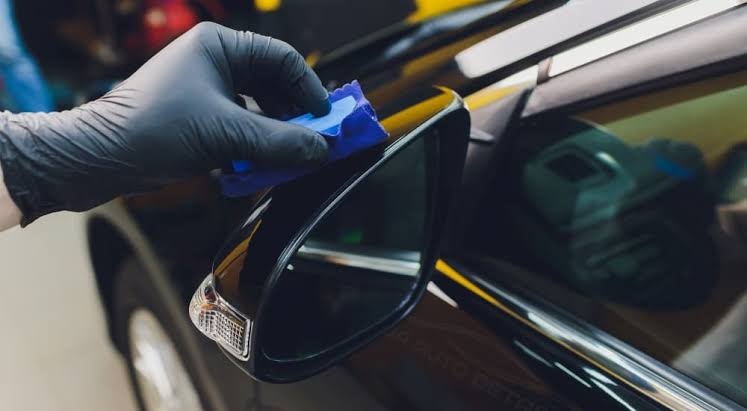
Island driving is rough on paint. Strong sun, salty trade winds, sudden downpours and fine red dust all take turns working on a car’s clear coat, often before the vehicle is a few years old.
That’s why ceramic coating comes up so often in conversations about car care. It promises longer-lasting protection and easier washing, but it also costs more than a bottle of wax and isn’t the miracle product some ads suggest.
Here’s a plain look at what it does, where it falls short, and which drivers tend to get real value from it.
What a Ceramic Coating Actually Does
A ceramic coating is a liquid polymer that’s applied by hand to clean paint. As it cures, it bonds with the factory finish and forms a thin, hard, glossy layer on top.
It’s best understood as a long-lasting alternative to wax or paint sealant, not a suit of armor. Wax fades in weeks or months, while a well-installed coating can hold up for several years with proper care.
Whether it’s done at a shop or through a mobile ceramic coating appointment at your home, the preparation underneath matters as much as the product itself.
Why Island Conditions Raise the Stakes
Sunlight is the main reason paint fades, and flat panels like the hood and roof take the worst of it. AAA’s guidance on weather damage points out that sun, rain and salt all speed up wear on paint, tires and the undercarriage.
On an island, a car often faces all three at once. Salt settles on the surface, humidity keeps it active, and the sun bakes everything in, which is why coastal drivers tend to see dull, oxidized paint sooner than people living inland.
Then there are the smaller nuisances: bird droppings, tree sap, red dirt and water spots. A slick coated surface gives these less to grip, so they wash off more easily before they can etch the clear coat.
Where Coating Earns Its Keep
The biggest advantage is durability. Instead of rewaxing every couple of months, you apply a coating once and maintain it, which adds up for anyone who parks outside every day.
Cleaning gets easier too. Water beads and slides off the surface, dirt doesn’t cling as stubbornly, and a gentle wash does more work than it would on bare paint.
Most people also notice a deeper, glassier shine. Beyond looks, the layer helps shield the clear coat from UV exposure and chemical etching, which supports resale value over time.
Where It Falls Short
Cost is the first catch. Coatings run well above the price of wax or sealant, and much of that price reflects prep work, since paint correction is what removes swirls and defects before the coating goes on.
Skipping that step is a mistake, because contamination left underneath gets locked in for years. A cheap application over dirty or marred paint can end up looking worse, not better.
Also, “ceramic” does not mean scratch-proof. A coating won’t stop rock chips (paint protection film is the better tool for that), and it won’t save paint from abrasive washing or automatic car wash brushes.
How It Compares With Wax, Sealant and Film
Wax is the familiar baseline. It’s inexpensive and easy to apply yourself, but it wears off quickly and needs frequent reapplication in strong sun and heavy rain.
Synthetic paint sealants last longer than wax, typically months rather than years. They sit between wax and ceramic coating on both price and durability.
Paint protection film is a different tool altogether. It’s a clear physical barrier that absorbs rock chips and light abrasion, so some owners wrap high-impact areas like the front bumper and hood, then rely on a coating or sealant elsewhere for gloss and easy cleaning.
Who Gets the Most Out of It
Coating makes the most sense for a car you plan to keep and park outdoors. A commuter truck that sits in a shoreline lot all day, or a family SUV living under open sky, will show the difference in how well the finish holds up.
It’s also a strong choice for new vehicles or freshly corrected paint, where you’re protecting a finish that’s still in good shape.
It’s less compelling for a car with failing or peeling clear coat, because a coating seals what’s there rather than repairing it. A garage-kept weekend car, or a vehicle you’ll sell in a few months, may be perfectly fine with a quality sealant.
What the Process Looks Like
A proper application starts with a thorough wash and decontamination to remove embedded grime that a normal wash leaves behind. If the paint has swirls or light oxidation, it’s polished before anything goes on.
The coating is then applied in small sections and leveled by hand before it begins to cure. Cure time varies by product, so the car usually needs to stay clean and dry for a period afterward.
Your installer should tell you exactly how long to wait before the first wash. Following that advice is one of the simplest ways to get the full life out of the coating.
Caring for a Coated Finish
A coating reduces maintenance but doesn’t eliminate it. Regular washing, a rinse after beach days and the occasional inspection keep it performing the way it should.
Harsh cleaners and rough wash mitts can wear it down faster, so pH-balanced soap and a soft microfiber towel are the safer habit.
Wash method matters for the island itself, too. The EPA’s guidance on vehicle washing notes that careless washing can release pollutants like hydrocarbons and heavy metals, and it recommends phosphate-free, biodegradable detergents and washing in a yard rather than the street.
Choosing an Installer
Ask who handles the paint prep, which coating they use, and what the warranty actually covers. Many warranties require scheduled inspections or specific maintenance, so read the terms before you commit.
Location matters as well. The car needs to be clean and out of direct sun and rain during application, so an on-site service can be easier than leaving the vehicle at a shop for a day, and local detailers such as RC Mobile Detailing Hawaii work this way.
Finally, be wary of promises that sound too good to be true. Words like “permanent” or “never needs washing” don’t match what independent automotive guides say, since no coating offers complete protection against swirls, stains, scratches or water spots.
So, Is It Worth It?
For many island drivers, ceramic coating is worth it, as long as expectations stay realistic. It won’t stop scratches or last forever, but it can slow down the sun-and-salt wear that island cars face every day.
The deciding factors are how long you’ll keep the car, where it lives, and the quality of the prep and installation. A good coating on well-prepared paint beats a cheap one on neglected paint every time.
If you’re unsure, ask for a quote that explains prep and aftercare in plain terms, then weigh it against the time you’d otherwise spend waxing. That comparison often makes the decision clear.