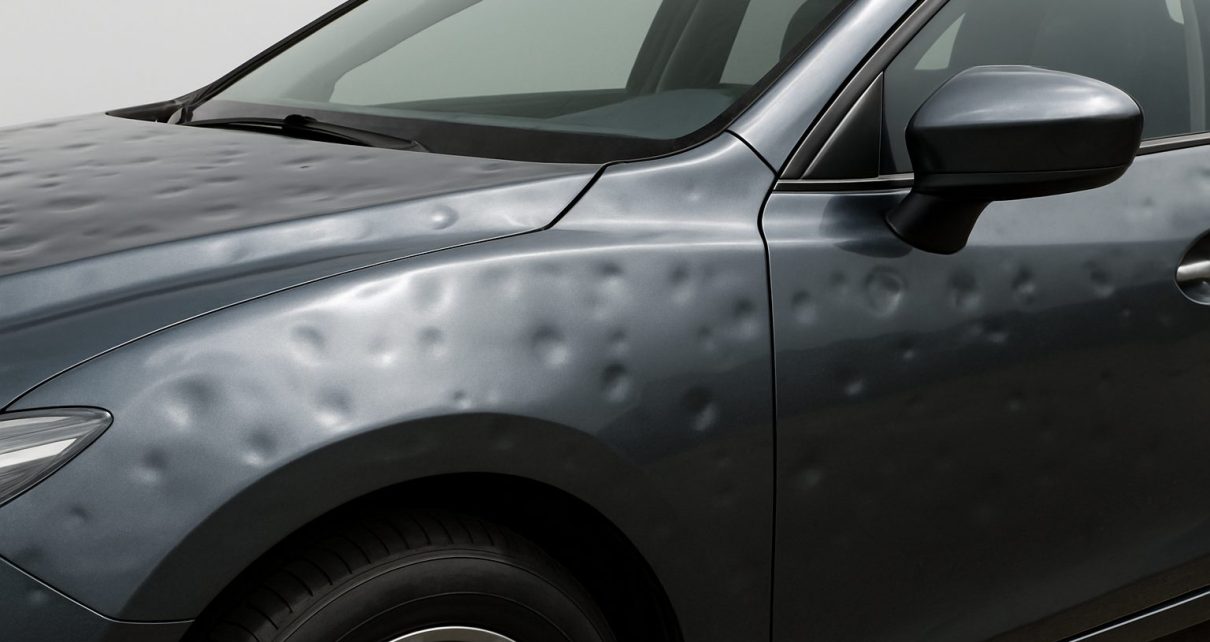
The reality of nature is that a hailstorm can cause your car to wear many more bodily bruises within minutes. Even little bits of hail can cause damage to the bonnet, roof, boot, and other exposed surfaces. Taking proper precautions can safeguard your vehicle and ease repairs when the storm is over.
48 hours is a good time frame to examine the scene, take notes of what happened, and to call your insurer, if necessary. Action taken sooner rather than later may even help to prevent you from making the situation or a small problem much worse.
First 12-Hour: Check Out Your Ride Safe
When the storm has ceased and it is safe to do so, inspect your vehicle. Inspect for dings, chipped glass, smashed mirrors, and scratches on the paint.
Do not climb onto the roof or bonnet to check damage. Take pictures from multiple angles with a torch instead.
Focus on these areas:
- Hood and roof: Check for direct-hail divots.
- Boot and doors: Look out for shallow dent along with fake reflections.
- Windows and lights: Check windows and lights for cracks or chips.
- Paint: Marks, chips, and places where metal is exposed.
Take full car pictures as well as close-up shots of the points where you feel any car damage. When possible, note the date, place, & storm experienced. These records could assist you when reaching out to your insurer.
Do not touch any sharp edges in the glass, if glass is broken. Organise safe repairs if the vehicle will be in the rain or was breached to a level that it can no longer drive safely.
Hours 12-24: Contact Your Insurer
Make sure you review your insurance policy to know how much storm or hail damage it will cover. Contact your insurance company right away to learn how the claims process works (and how much it will cost you) and whether any repairs are possible.
Keep copies of your photos, claim number, and repair estimates. Not every dent will need full panel replacement.
Inquire if your insurance company needs an inspection to be performed prior to any repairs taking place. This would help to avoid disputes or delays in relation to the damage if you follow this instruction.
Hours 24-48: Research Your Repair Options
Most hail damage can be repaired without painting. Using specialised tools, paintless dent removal carefully massages the metal back into shape from behind the panel where possible.
This technique is likely appropriate for shallow bends where the paint is still intact. It may cost less than conventional panel beating, and additionally, can retain the unique manufacturing look.
However, not every dent qualifies. Deep creases, chipped paint, hard hits, and dents near panel edges make things difficult. Any repairer should make an assessment of damage before suggesting a method.
Choosing a Hail Repair Specialist
How to choose a car hail repair provider? A provider with expertise in fixing storm-heavy cars is perfect if your car has been hail damaged. Questions to ask include how the dents will be appraised, if the original paint can be preserved, and what is included in the quote.
If you are looking for paintless dent removal Melbourne, compare the experience level with average repair methods, estimated turnaround time, and warranty details.
If you are searching the web for car panel repair, Straight Panels is a name to remember. Make sure you check what services they provide and that the repairer will be able to work with your insurer before booking.
Prevent Delays and Protect Your Car
Avoid attempts to pull dents out or apply heat to damaged panels on your own. They can also iterate the metal or ruin the paint using DIY techniques.
Quick treatment of paintless dent removal could restore the correct panels without requiring a repaint. If the damage is documented and your insurer knows what they need, then it’s worth considering paintless dent removal in Melbourne for local repairs.
The trick is then clear − check your safety, document the destruction, inform your insurer, and find a designer inside 48 hours.
Quick Summary
- Hailstorms can inflict significant damage to a vehicle’s exterior within minutes, affecting areas like the bonnet, roof, and boot.
- It is recommended to inspect your vehicle for damage within 12 hours of a hailstorm, taking pictures from multiple angles without climbing on the car.
- Contacting your insurance company within 24 hours is crucial to understand the claims process and coverage for hail damage.
- Most hail damage can be repaired using paintless dent removal techniques, which are generally cheaper and preserve the original paint.
- Choosing a car hail repair specialist with expertise in storm-related damage can help ensure that the repair process is efficient and effective.